NEU!
Available now!Innovation in chlorine measurement | available now
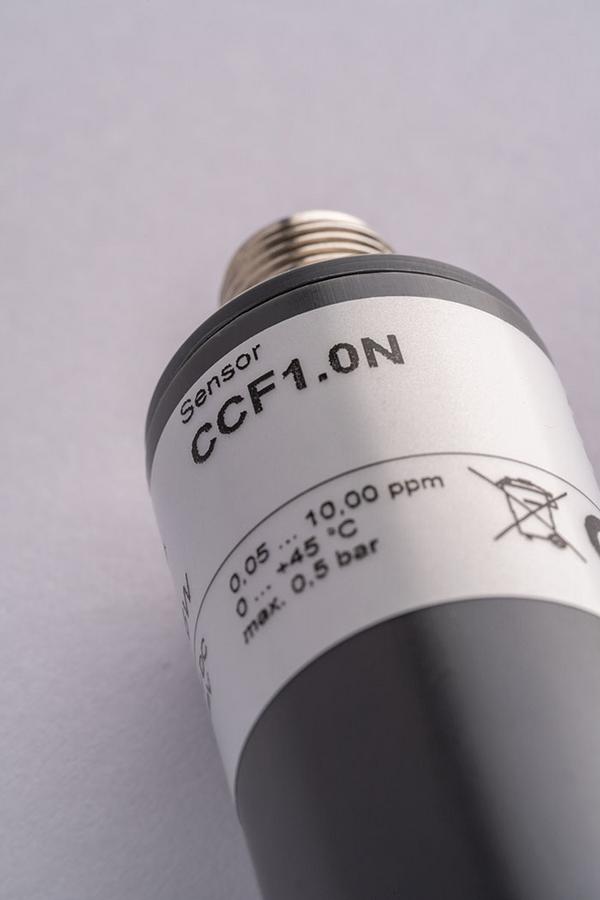
The maintenance-free chlorine sensor | CCF1.0N
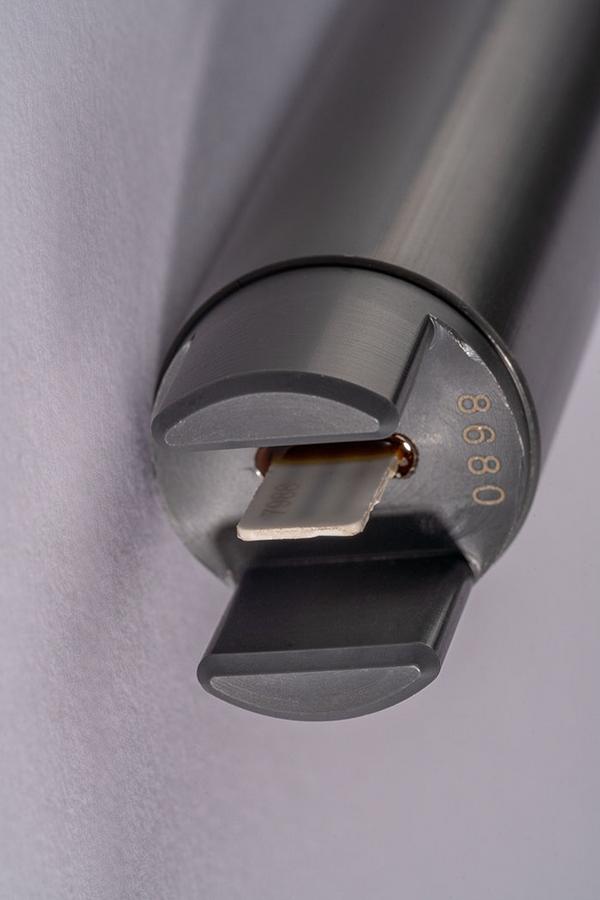
The sensor is based on an amperometric 3-electrode system with integrated electronics and reliably detects free, inorganic chlorine compounds - completely without a membrane.
By dispensing with electrolyte and membrane cap, it is extremely easy to use and enables virtually maintenance-free operation.
Dosatronic | Areas of application

Swimming pool
For unadulterated bathing fun, swimming pool water of impeccable quality is a prerequisite. Algae growth, germ formation and the concentration of other substances can only be prevented by constantly monitoring the water.

Drinking water
Our drinking water must meet the highest quality standards, which are subject to strict controls and specifications. The application-orientated solutions from DOSATRONIC ensure compliance with these standards - worldwide. The main focus is on the odour, taste and clarity of the purified, hygienic water, which is both visually and tastily appealing!
Are you interested in the DOSASens chlorine sensor CCF1.0N? Enquire now
Operation and functions | DOSASens CCF1
The DOSASens CCF1.0N is an amperometric sensor for measuring free, inorganic chlorine compounds such as NaOCl, Ca(OCl)₂ and Cl₂. It works without a membrane and electrolyte, making it particularly low-maintenance . The integrated electronics record the measurement signal precisely and temperature-compensated.
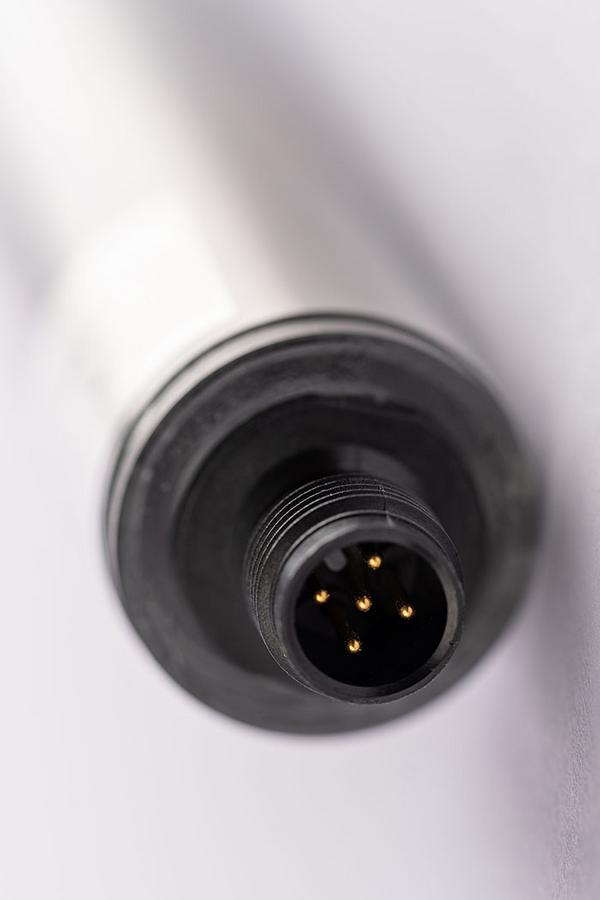
The sensor is available in versions with mV output or Modbus RTU and is calibrated directly via the controller (e.g. using the DPD-1 method). Typical applications are swimming pools and drinking water systems. The connection is made via an M12 connector and installation is quick and easy.
Questions | and answers
 What does the DOSASens CCF1.0N measure?
The sensor reliably detects free, inorganic chlorine compounds such as sodium hypochlorite (NaOCl), calcium hypochlorite (Ca(OCl)₂) and chlorine gas (Cl₂).
How maintenance-intensive is the sensor?The sensor is virtually maintenance-free. Neither membrane changes nor electrolyte refills are required.
How is the sensor calibrated?Calibration is carried out on the controller - usually via a comparative measurement using the DPD-1 method.
How is the sensor connected?The mV version uses a 5-pin M12 screw connector, the Modbus version is connected with 4 wires.